


Bioactive Potential of Pistacia terebinthus L. From the Atlas of Morrocco: Antioxidant and Antimicrobial Properties
Article Sidebar
Views | PDF/EPUB Downloads:
408
/ 103
/ 81
Main Article Content
Abstract
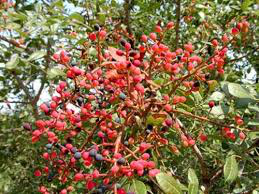
Pistacia terebinthus L., a tree native to the Middle Atlas of Morocco, is traditionally used in folk medicine. This study investigated the phytochemical profile, antioxidant, and antimicrobial properties of leaf essential oils (EOs) from three bioclimatic zones. EOs were extracted by hydrodistillation, analyzed by GC–MS, and tested for antioxidant activity using FRAP and DPPH assays. Molecular docking was performed to assess the interaction of major compounds with antioxidant targets, while antimicrobial activity was evaluated against bacterial and fungal strains by disk diffusion and microdilution. The chemical composition varied markedly among regions, with 61–98 compounds identified. Monoterpenes, particularly α-pinene, were abundant in arid samples, whereas terpinen-4-ol (21.96%) appeared exclusively in subhumid oils. Other relevant constituents included τ-muurolol (8.84%) and D-limonene (7.85%). Antioxidant activity also differed by origin, with IC50 values ranging from 1.40 to 4.17 mg/mL and EC50 from 2.86 to 9.47 mg/mL. Subhumid oils exhibited the highest antimicrobial activity, while arid samples were most effective against Staphylococcus aureus. Docking analysis revealed interactions of key compounds with NADPH oxidase (Ala11, Asp282, Ala300), suggesting a potential mechanism for their antioxidant action. Overall, results highlight that bioclimatic conditions strongly influence the chemical composition and bioactivity of P. terebinthus essential oils, supporting their potential for therapeutic and pharmaceutical applications.
Downloads
Article Details
Section

This work is licensed under a Creative Commons Attribution-NonCommercial-NoDerivatives 4.0 International License.
How to Cite
References
Marengo JA, Souza Jr CM, Thonicke K, Burton C, Halladay K, Betts RA, Soares WR. Changes in climate and land use over the Amazon region: current and future variability and trends. Front Earth Sci. 2018; 6: 228. Doi:10.3389/feart.2018.00228 DOI: https://doi.org/10.3389/feart.2018.00228
2. Bassouya M, Jawhari FZ, Lafraxo S, Chedadi M, Bari A. Study of the effect of pretreatments on the germination and growth of Pistacia atlantica subsp. atlantica: Investigations for the conservation of an endangered species in Morocco. BIO Web of Conf. 2024; 115: 06001.
3. Doi:10.1051/bioconf/202411506001 DOI: https://doi.org/10.1051/bioconf/202411506001
4. Abdelwahed A, Bouhlel I, Skandrani I, Valenti K, Kadri M, Guiraud P, Steiman R, Mariotte A-M, Ghedira K, Laporte F, Dijoux-Franca M-G, Chekir-Ghedira L. Study of antimutagenic and antioxidant activities of Gallic acid and 1, 2, 3, 4, 6-pentagalloylglucose from Pistacia lentiscus: Confirmation by microarray expression profiling. Chem Biol Interact. 2007; 165(1):1–13. Doi: 10.1016/j.cbi.2006.10.003 DOI: https://doi.org/10.1016/j.cbi.2006.10.003
5. Matthäus B and Özcan MM. Quantitation of Fatty Acids, Sterols, and Tocopherols in Turpentine (Pistacia terebinthus Chia) Growing Wild in Turkey. J Agric Food Chem. 2006; 54(20):7667–7671. Doi:10.1021/jf060990t DOI: https://doi.org/10.1021/jf060990t
6. Arena E, Campisi S, Fallico B, Maccarone E. Distribution of fatty acids and phytosterols as a criterion to discriminate geographic origin of pistachio seeds. Food Chem. 2007; 104(1):403–408. Doi: 10.1016/j.foodchem.2006.09.029 DOI: https://doi.org/10.1016/j.foodchem.2006.09.029
7. Sharayei P, Farhoosh R, Poorazrang H, Haddad Khodaparast MHH. Improvement of Canola Oil Frying Stability by Bene Kernel Oil’s Unsaponifiable Matter. J Am Oil Chem Soc. 2011; 88(7):993–1000. Doi:10.1007/s11746-011-1764-5 DOI: https://doi.org/10.1007/s11746-011-1764-5
8. Trabelsi H, Cherif OA, Sakouhi F, Villeneuve P, Renaud J, Barouh N, Boukhchina S, Mayer P. Total lipid content, fatty acids and 4-desmethylsterols accumulation in developing fruit of Pistacia lentiscus L. growing wild in Tunisia. Food Chem. 2012; 131(2):434–440. Doi: 10.1016/j.foodchem.2011.08.083 DOI: https://doi.org/10.1016/j.foodchem.2011.08.083
9. Bozorgi M, Memariani Z, Mobli M, Salehi Surmaghi MH, Shams-Ardekani MR, Rahimi R. Five Pistacia species (P. vera, P. atlantica, P. terebinthus, P. khinjuk, and P. lentiscus): A Review of Their Traditional Uses, Phytochemistry, and Pharmacology. Sci World J. 2013; 2013(1):219815. Doi: 10.1155/2013/219815 DOI: https://doi.org/10.1155/2013/219815
10. Yousef IF, Al-Jawaldeh AE, Alsheikh AD, El-Qudah JM, Al Qudah MM, Khwaldeh AS, Rjoub YA. Efficacy of Some Medicinal Plants Used as Antidiabetic Plants in Jordan: A Review. Trop J Nat Prod Res. 2025 ;9(4) :1365-1374. Doi: 10.26538/tjnpr/v9i4.1 DOI: https://doi.org/10.26538/tjnpr/v9i4.1
11. Kashaninejad M, Mortazavi A, Safekordi A, Tabi LG. Some physical properties of Pistachio (Pistacia vera L.) nut and its kernel. J Food Eng. 2006; 72(1):30–38. Doi: 10.1016/j.jfoodeng.2004.11.016 DOI: https://doi.org/10.1016/j.jfoodeng.2004.11.016
12. Cambra LMA. The editions and the translations of avicenna’s canon of medicine. J Adv Humanit 2016; 4: 423–430. Doi: 10.24297/jah.v4i1.6129 DOI: https://doi.org/10.24297/jah.v4i1.6129
13. Hajimahmoodi M, Moghaddam G, Ranjbar AM, Khazani H, Sadeghi N, Oveisi MR, Jannat B. Total phenolic, flavonoids, tannin content and antioxidant power of some Iranian pomegranate flower cultivars (Punica granatum L.). Am J Plant Sci. 2013; 4(9):1815-1820; Doi: 10.4236/ajps.2013.49223 DOI: https://doi.org/10.4236/ajps.2013.49223
14. Chen S, Chen Q, Askool YS, Xu L. Textual research on Dioscorides and De Materia Medica. Chin Med. 2023;14(3):208-219. Doi: 10.4236/cm.2023.143010 DOI: https://doi.org/10.4236/cm.2023.143010
15. Khalid S, Naseem M, Sajjad M, Riaz S, Ibrahim U, Shumail H, Haq SIU. The allelopathic effects of Rumex dentatus and Dalbergia sissoo on growth and germination of Brassica campestris L. Pure Appl Biol. 2020; 10(1):199-208. Doi: 10.19045/bspab.2021.100021 DOI: https://doi.org/10.19045/bspab.2021.100021
16. Hanlidou E, Karousou R, Kleftoyanni V, Kokkini S. The herbal market of Thessaloniki (N Greece) and its relation to the ethnobotanical tradition. J Ethnopharmacol. 2004; 91(2-3):281–299.Doi: 10.1016/j.jep.2004.01.007 DOI: https://doi.org/10.1016/j.jep.2004.01.007
17. Mohagheghzadeh A, Faridi P, Ghasemi Y. Analysis of Mount Atlas mastic smoke: a potential food preservative. Fitoterapia. 2010; 81(6):577–580. Doi: 10.1016/j.fitote.2010.01.022 DOI: https://doi.org/10.1016/j.fitote.2010.01.022
18. Ballero M, Poli F, Sacchetti G, Loi MC. Ethnobotanical research in the territory of Fluminimaggiore (south-western Sardinia). Fitoterapia. 2001; 72(7):788–801.Doi: 10.1016/S0367-326X(01)00334-3 DOI: https://doi.org/10.1016/S0367-326X(01)00334-3
19. Maxia A, Lancioni MC, Balia AN, Alborghetti R, Pieroni A, Loi MC. Medical ethnobotany of the Tabarkins, a Northern Italian (Ligurian) minority in south-western Sardinia. Genet Resour Crop Evol. 2008; 55(6):911–924.Doi: 10.1007/s10722-007-9296-4 DOI: https://doi.org/10.1007/s10722-007-9296-4
20. Aissi O, Boussaid M, Messaoud C. Essential oil composition in natural populations of Pistacia lentiscus L. from Tunisia: Effect of ecological factors and incidence on antioxidant and antiacetylcholinesterase activities. Ind Crops Prod. 2016; 91:56–65. Doi: 10.1016/j.indcrop.2016.06.025 DOI: https://doi.org/10.1016/j.indcrop.2016.06.025
21. Rodriguez JP, Rodríguez-Clark KM, Baillie JE, ASH N, Benson J, Boucher T, Zamin T. Development of the IUCN Red List Criteria for Threatened Ecosystems. Conserv Biol. 2011; 25(1):21–29. Doi: 10.1111/j.1523-1739.2010. 01598.x DOI: https://doi.org/10.1111/j.1523-1739.2010.01598.x
22. Fennane M and De Montmollin B. Reflections on the IUCN Red List Criteria: The Case of Moroccan Flora. Bull Inst Sci Rabat 2015; 37:17–27. eISSN 2458-7176
23. Bassouya M, Chedadi M, Zahra JF, Kara M, Assouguem A, Ullah R, Bari AA. Comparative analysis of dendrometric, macromorphological, and micromorphological characteristics of Pistacia atlantica subsp. atlantica and Pistacia terebinthus in the middle Atlas region of Morocco. Open Life Sci. 2024; 19(1): 20220941.Doi: 10.1515/biol-2022-0941 DOI: https://doi.org/10.1515/biol-2022-0941
24. Perino-Issartier S, Ginies C, Cravotto G, Chemat FA. Comparison of essential oils obtained from lavandin via different extraction processes: Ultrasound, microwave, turbohydrodistillation, steam and hydrodistillation. J Chromatogr A. 2013; 1305:41–47. Doi: 10.1016/j.chroma.2013.07.024 DOI: https://doi.org/10.1016/j.chroma.2013.07.024
25. Jawhari FZ, Moussaoui AE, Bourhia M, Imtara H, Saghrouchni H, Ammor K, Bari, A. Anacyclus pyrethrum var. pyrethrum (L.) and Anacyclus pyrethrum var. depressus (Ball) Maire: Correlation between total phenolic and flavonoid contents with antioxidant and antimicrobial activities of chemically characterized Extracts. Plants. 2021; 10(1):149. Doi: 10.3390/plants10010149 DOI: https://doi.org/10.3390/plants10010149
26. Seck, Sall C, Gueye PM, Seck I, Dioum MD, Lembachar Z, Guere RS, Fall D, Fall M, Dieye TN. Study of the antifalciform activity of root extracts of Leptadenia hastata Decne. (Asclepiadacae). Int J Biol Chem Sci. 2015; 9(3):1375–1383.Doi: 10.4314/ijbcs.v9i3.22 DOI: https://doi.org/10.4314/ijbcs.v9i3.22
27. Zerkani, H., Tagnaout, I., Khiya, Z., Boutahiri, S., Amalich, S., Fadili, K., ... & Zair, T. Comparative study of the antioxidant power of polyphenols of leaves, fruits, and bark of Pistacia atlantica Desf. from Morocco. J Chem. 2022; 1:7432169. Doi: 10.1155/2022/7432169. DOI: https://doi.org/10.1155/2022/7432169
28. Dohou R, Yamni K, Tahrouch S, Hassani LI, Badoc A, Gmira N. Phytochemical screening of an endemic Ibero-Moroccan plant, Thymelaea lythroides. Acta Bot Malacitana. 2004; 29:233-239. Doi: 10.24310/abm.v29i0.7221 DOI: https://doi.org/10.24310/abm.v29i0.7221
29. Traore F, Zahoui O, Soro T. Chemical composition of an aqueous extract of Bridelia ferruginea Benth. (Euphorbiaceae) and study of its toxicological and pharmacological effects in mammals. Afrique Sci. 2008;4(2):287-305. Doi: 10.4314/afsci.v4i2.61690 DOI: https://doi.org/10.4314/afsci.v4i2.61690
30. Yam MF, Ang LF, Salma IM, Ameer OZ, Lim V, Ong LM, Ahmad M, Asmawi MZ, Basir R. Orthosiphon stamineus Leaf Extract Protects Against Ethanol-Induced Gastropathy in Rats. J Med Food 2009; 12(5):1089–1097.Doi: 10.1089/jmf.2008.000 DOI: https://doi.org/10.1089/jmf.2008.0005
31. Senou M, Lokonon JE, Abissi EOTR, Agbogba F, Dehou RJ, Medoatinsa E, Tchogou P, Cachon BF, Houngbeme A, Attakpa E, Agbonon A, Baba-Moussa L. Antibacterial activity and toxicity of the sap and aqueous extract of the leaves of Jatropha multifida Linn. J Biosci Med. 2022; 10:171-182. doi:10.4236/jbm.2022.107013 DOI: https://doi.org/10.4236/jbm.2022.107013
32. Adams, R.P.; Wright, J.W. Alkanes and terpenes in wood and leaves of Pinus jeffreyi and P. sabiniana. J. Essent. Oil Res. 2012; 24: 435–440. Doi:10.1080/10412905.2012.703512 DOI: https://doi.org/10.1080/10412905.2012.703512
33. El Hajaji H, Farah A, Ennabili A, Bousta D, Greche H, El Bali B, Lachkar M. Comparative study of the mineral composition of the constituents of three varieties of Ceratonia siliqua L. J Mater Environ Sci. 2013; 4(2):165-170.
34. Tepe B, Daferera D, Sokmen A, Sokmen M, Polissiou M. Antimicrobial and antioxidant activities of the essential oil and various extracts of Salvia tomentosa Miller (Lamiaceae). Food Chem. 2005; 90(3):333–340. Doi: 10.1016/j.food chem.2003.09.013 DOI: https://doi.org/10.1016/j.foodchem.2003.09.013
35. Iheanacho CM, Akubuiro, PC, Oseghale IO, Imieje VO, Erharuyi O, Ogbeide KO, Jideonwo AN, Falodun A. Evaluation of the Antioxidant Activity of the Stem Bark Extracts of Anacardium occidentale L. Trop J Phytochem Pharm Sci. 2023; 2(2):65–69. Doi: 10.26538/tjpps/v2i2.4 DOI: https://doi.org/10.26538/tjpps/v2i2.4
36. Egharevba E, Chukwuemeke-Nwani P, Eboh U, Okoye E, Bolanle IO, Oseghale IO, Falodun A. Evaluation of the antioxidant and hypoglycaemic potentials of the leaf extracts of Stachytarphyta jamaicensis (Verbenaceae). Trop J Phytochem Pharm Sci. 2019: 3(1):170-174. Doi:10.26538/tjnpr/v3i5.4 DOI: https://doi.org/10.26538/tjnpr/v3i5.4
37. Bouzammit R, Belchkar S, El Fadili M, Kanzouai Y, Aflak N, Chalkha M, Bahsis L, Nakkabi A, Bakhouch M, Gal E, Gaina LI, Houari GA. Synthesis, Characterization, DFT mechanistic study, Antibacterial Activity, Molecular modeling, and ADMET properties of novel chromone-isoxazole hybrids. J Mol Struct. 2024; 1314:138770. Doi: 10.1016/j.molstruc.2024.138770 DOI: https://doi.org/10.1016/j.molstruc.2024.138770
38. Zouirech O, Alyousef AA, El Barnossi A, El Moussaoui A, Bourhia M, Salamatullah AM, Derwich E. Phytochemical Analysis and Antioxidant, Antibacterial, and Antifungal Effects of Essential Oil of Black Caraway (Nigella sativa L.) Seeds against Drug-Resistant Clinically Pathogenic Microorganisms. BioMed Res Int. 2022; 2022(1):1–11. Doi: 10.1155/2022/5218950 DOI: https://doi.org/10.1155/2022/5218950
39. El Moussaoui A, Bourhia M, Jawhari FZ, Salamatullah AM, Ullah R, Bari A, Bari A. Chemical Profiling, Antioxidant, and Antimicrobial Activity against Drug-Resistant Microbes of Essential Oil from Withania frutescens L. Appl Sci. 2021; 11(11):5168. Doi: 10.3390/app11115168 DOI: https://doi.org/10.3390/app11115168
40. Agour A, Mssillou I, Saghrouchni H, Bari A, Lyoussi B, Derwich E. Chemical Composition, Antioxidant Potential and Antimicrobial Properties of the Essential Oils of Haplophyllum tuberculatum (Forsskal) A. Juss from Morocco. Trop J Nat Prod Res. 2020; 4(12):1108-1115.Doi: 10.26538/tjnpr/v4i12.13 DOI: https://doi.org/10.26538/tjnpr/v4i12.13
41. Kıvçak B, Akay S, Demirci B, Baser, K. Chemical Composition of Essential Oils from Leaves and Twigs of Pistacia lentiscus, Pistacia lentiscus var. chia, and Pistacia terebinthus from Turkey. Pharm Biol. 2004; 42(4-5): 360–366. Doi: 10.1080/13880200490519677 DOI: https://doi.org/10.1080/13880200490519677
42. Nikolić BM, Ballian D, Mitić ZS. Diversity of Needle Terpenes Among Pinus Taxa. Forests. 2025; 16(4): 623. Doi: 10.3390/f16040623 DOI: https://doi.org/10.3390/f16040623
43. Rushendran R, Singh A, Siva KB, Ilango K. Chemical composition of essential oils–fatty acids. Essent. Oils: Sources, Prod. Appl. 2023: 65. Doi: 10.1515/9783110791600-004 DOI: https://doi.org/10.1515/9783110791600-004
44. Dhifi W, Mnif W, Ouerhani B, Ghrissi K. Chemical Composition and Antibacterial Activity of Essential Oil from the Seeds of Pistacia terebinthus Grown in Tunisia. J Essent Oil Bear Plants. 2012; 15:582–588. Doi: 10.1080/0972060X.2012.10644092 DOI: https://doi.org/10.1080/0972060X.2012.10644092
45. Pulaj B, Mustafa B, Nelson K, Quave CL, Hajdari A. Chemical composition and in vitro antibacterial activity of Pistacia terebinthus essential oils derived from wild populations in Kosovo. BMC Complement Altern Med. 2016; 16:1-9. Doi: 10.1186/s12906-016-1135-8 DOI: https://doi.org/10.1186/s12906-016-1135-8
46. Huskisson E and Maggini S, Ruf M. The Role of Vitamins and Minerals in Energy Metabolism and Well-Being. J Int Med Res. 2007; 35(3):277–289.Doi: 10.1177/147323000703500301 DOI: https://doi.org/10.1177/147323000703500301
47. Boudieb K, Ait Slimane-Ait Kaki S, Amellal-Chibane H. Traditional uses, phytochemical study and morphological characterization of Pistacia lentiscus L. fruits from three areas of northern Algeria. J Appl Biosci. 2019; 135:13788-13797. Doi:10.4314/jab.v135i1.5. DOI: https://doi.org/10.4314/jab.v135i1.5
48. Mukarram SA, Wandhekar SS, Ahmed AEM, Várallyay S, Pandey VK, József P, Bela K. Global perspectives on the medicinal implications of green walnut and its benefits: A comprehensive review. Horticulturae. 2024; 10(5):433. Doi: 10.3390/horticulturae10050433 DOI: https://doi.org/10.3390/horticulturae10050433
49. Edreva A, Velikova V, Tsonev T, Dagnon S, Gürel A, Aktaş L, Gesheva, E. Stress-protective role of secondary metabolites: diversity of functions and mechanisms. Gen Appl Plant Physiol. 2008; 34(1-2):67–78.
50. Kofidis G, Bosabalidis AM, Moustakas M. Contemporary seasonal and altitudinal variations of leaf structural features in oregano (Origanum vulgare L.). Ann Bot. 2003;92(5):635-645. Doi: 10.1093/aob/mcg180 DOI: https://doi.org/10.1093/aob/mcg180
51. Kaur R and Raj H. Pharmacological Potential of Pistacia integerrima: A Comprehensive Review. Int J Pharm Sci 2025; 3(3):616–629.Doi: 10.5281/zenodo.14995550
52. Topçu G, Ay M, Bilici A, Sarıkürkcü C, Öztürk M, Ulubelen A. A new flavone from antioxidant extracts of Pistacia terebinthus. Food Chem. 2007; 103(3):816–822. Doi: 10.1016/j.foodchem .2006.09.028 DOI: https://doi.org/10.1016/j.foodchem.2006.09.028
53. Kavak DD, Altıok E, Bayraktar O, Ülkü S. Pistacia terebinthus extract: As a potential antioxidant, antimicrobial and possible β-glucuronidase inhibitor. J Mol Catal B Enzym. 2010; 64(3-4):167–171. Doi: 10.1016/j.molcatb.2010.01.029 DOI: https://doi.org/10.1016/j.molcatb.2010.01.029
54. Orhan IE, Senol FS, Gulpinar AR, Sekeroglu N, Kartal M, Sener B. Neuroprotective potential of some terebinth coffee brands and the unprocessed fruits of Pistacia terebinthus L. and their fatty and essential oil analyses. Food Chem. 2012; 130(4):882–888.Doi: 10.1016/j.foodchem.2011.07.119 DOI: https://doi.org/10.1016/j.foodchem.2011.07.119
55. Uysal S, Sinan KI, Jekő J, Cziáky Z, Zengin G. Chemical characterization, total antioxidant capacity, and enzyme inhibitory potential of Pistacia terebinthus L. (Anacardiaceae) leaves. Food Biosci. 2022; 48:101820. Doi: 10.1016/j.fbio.2022.101820 DOI: https://doi.org/10.1016/j.fbio.2022.101820
56. Almustafa A. Phytochemical Analysis, Antioxidant and Anti-Acetylcholinesterase Activities of Jordanian Pistacia palaestina Bios Leaves Extract. Trop J Nat Prod Res. 2021; 5:1619–1625.Doi: 10.26538/tjnpr/v5i9.15 DOI: https://doi.org/10.26538/tjnpr/v5i9.15
57. Bouakline, H., Bouknana, S., Merzouki, M., Ziani, I., Challioui, A., Bnouham, M., ... & El Bachiri, A. The phenolic content of Pistacia lentiscus leaf extract and its antioxidant and antidiabetic properties. Sci World J. 2024; 2024(1):1998870. Doi: 10.1155/2024/1998870 DOI: https://doi.org/10.1155/2024/1998870
58. Alsharairi N. An Analysis of Three Pistacia Species’ Phenolic Compounds and Their Potential Anticancer and Cytotoxic Activities on Cancer Cells A Review. Curr Issues Mol Biol. 2025; 47(6): 393.Doi: 10.3390/cimb47060393 DOI: https://doi.org/10.3390/cimb47060393
59. Nouioura G, El Fadili M, El Barnossi A, Loukili EH, Laaroussi H, Bouhrim M, Derwich H. Comprehensive analysis of different solvent extracts of Ferula communis L. fruit reveals phenolic compounds and their biological properties via in vitro and in silico assays. Sci Rep. 2024; 14(1): 8325.Doi: 10.1038/s41598-024-59087-3 DOI: https://doi.org/10.1038/s41598-024-59087-3
60. Piras A, Marzouki H, Maxia A, Marengo A, Porcedda S, Falconieri D, Salgueiro L. Chemical characterisation and biological activity of leaf essential oils obtained from Pistacia terebinthus growing wild in Tunisia and Sardinia Island. Nat Prod Res. 2017; 31(22):2684–2689. Doi: 10.1080/14786419.2017.1289204 DOI: https://doi.org/10.1080/14786419.2017.1289204
61. Duru ME, Cakir A, Kordali S, Zengin H, Harmandar M, Izumi S, Hirata T. Chemical composition and antifungal properties of essential oils of three Pistacia species. Fitoterapia. 2003; 74(1-2):170-176. Doi:10.1016/S0367-326X(02)00318-0 DOI: https://doi.org/10.1016/S0367-326X(02)00318-0
62. Fidan MS, Baltacı C, Öz M, Akar Z. Chemical Composition of Pistacia terebinthus L. and its Phytochemical and Biological Properties. BioResourc. 2023; 18(4):6862-6881. Doi:10.3389/feart.2018.00228 DOI: https://doi.org/10.15376/biores.18.4.6862-6881
63. Bassouya M, Chedadi M, Zahra JF, El-byari Y, Shahat AA, Morya S, El Moussaoui A, Mohammed K, Bari A. Chemical, Mineralogical, and Biological Properties of Pistacia atlantica subsp. atlantica Essential Oils from the Middle Atlas of Morocco. Horticulturae 2025; 11(3): 265. Doi: 10.3390/horticulturae11030265 DOI: https://doi.org/10.3390/horticulturae11030265