


Chemical Composition of Plectranthus amboinicus Leaf Essential Oil from Phetchabun, Thailand, and Its Potential to Combat Enteropathogenic Bacteria and Regulate Blood Pressure
Article Sidebar
Views | PDF/EPUB Downloads:
208
/ 91
/ 47
Main Article Content
Abstract
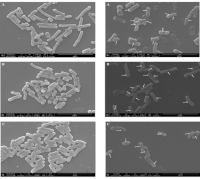
The increasing demand for natural therapeutics has driven interest in plant-derived essential oils as potential alternatives to synthetic drugs for managing infectious and chronic diseases. Plectranthus amboinicus is a traditional medicinal plant known for its diverse therapeutic uses, particularly in Asian and African folk medicine. In this study, the chemical composition and biological activities of P. amboinicus essential oil (PAEO), derived from plants grown in Phetchabun, Thailand, were investigated. Gas chromatography–mass spectrometry (GC–MS) analysis identified 142 volatile compounds, with shyobunol (9.1%), germacrene D (8.3%), α-cadinol (7.7%), and carvacrol (7.5%) being the predominant constituents. Antibacterial testing revealed that PAEO exhibited moderate to strong bactericidal activity against Escherichia coli, Salmonella Typhimurium, and Shigella flexneri, with minimum inhibitory concentrations (MIC) ranging from 1 to 2 mg/mL. Time-kill kinetics assays demonstrated a rapid bactericidal effect, whereas post-antibiotic effect (PAE) analysis showed prolonged suppression of bacterial regrowth compared with standard antibiotics. Scanning electron microscopy (SEM) and biochemical studies confirmed that PAEO disrupts bacterial cell membranes, leading to the leakage of nucleic acids and proteins. In addition, PAEO significantly inhibited the activity of angiotensin-converting enzyme 1 (ACE1) in vitro in a dose-dependent manner, achieving over 70% inhibition at 1 mg/mL, with a median inhibitory concentration (IC₅₀) of approximately 0.51 mg/mL. These results highlight the potential of PAEO as a multifunctional agent for the treatment of microbial infections and hypertension warranting further preclinical and clinical investigation.
Downloads
Article Details
Section

This work is licensed under a Creative Commons Attribution-NonCommercial-NoDerivatives 4.0 International License.
How to Cite
References
1.Santos Filipe M, Bangay G, Brauning FZ, Ogungbemiro FO, Palma BB, Díaz-Lanza AM, Silva BM, Fernandez-Moreno JL. Plectranthus amboinicus: A systematic review of traditional uses, phytochemical properties, and therapeutic applications. Pharm. 2025; 18(5):707. DOI: https://doi.org/10.3390/ph18050707
2.Lambrechts IA, Lall N. Traditional usage and biological activity of Plectranthus madagascariensis and its varieties: A review. J. Ethnopharmacol. 2021; 269:113663. DOI: https://doi.org/10.1016/j.jep.2020.113663
3.Hanh DTB, Ngu TN, Bao PHT, Nguyen NPD, Trong PV, Loan LTT, Nguyen TTT, Nguyen TH. Chemical composition and biological activities of essential oil from Plectranthus amboinicus collected in Dak Lak, Vietnam. Trop. J. Nat. Prod. Res. 2023; 7(11):5203–5210. DOI: https://doi.org/10.26538/tjnpr/v7i11.25
4.Ruan TZ, Kao CL, Hsieh YL, Li HT, Chen CY. Chemical constituents of the leaves of Plectranthus amboinicus. Chem. Nat. Compd. 2019; 55(1):124–126. DOI: https://doi.org/10.1007/s10600-019-02631-9
5.Tahan A, Jafari M, Razmjoue D, Javadi SA. Relationship among some ecological factors and chemical composition of Ajuga chamaecistus Ging. plant species. Acta Ecol. Sin. 2020; 40(4):268–276. DOI: https://doi.org/10.1016/j.chnaes.2019.08.001
6.Hassiotis CN, Vlachonasios KE. How biological and environmental factors affect the quality of lavender essential oils. Physiol. 2025; 5(1):11. DOI: https://doi.org/10.3390/physiologia5010011
7.Yu J. Chemical composition of essential oils and their potential applications in postharvest storage of cereal grains. Mol. 2025; 30(3):683. DOI: https://doi.org/10.3390/molecules30030683
8.Casiglia S, Bruno M, Scandolera E, Senatore F, Senatore F. Influence of harvesting time on composition of the essential oil of Thymus capitatus (L.) Hoffmanns. & Link. growing wild in northern Sicily and its activity on microorganisms affecting historical art crafts. Arab. J. Chem. 2019; 12(8):2704–2712. DOI: https://doi.org/10.1016/j.arabjc.2015.05.017
9.Mills KT, Stefanescu A, He J. The global epidemiology of hypertension. Nat. Rev. Nephrol. 2020; 16(4):223–237. DOI: https://doi.org/10.1038/s41581-019-0244-2
10.Hentschel V, Arnold F, Seufferlein T, Azoitei N, Kleger A, Müller M. Enteropathogenic infections: Organoids go bacterial. Stem Cells Int. 2021; 2021:e8847804. DOI: https://doi.org/10.1155/2021/8847804
11.Deihim B, Masoudipour P. Antibiotic resistance of enteropathogenic bacteria in a teaching hospital in North Khuzestan during a three-year period. J. Fam. Med. Prim. Care 2024; 13(5):2073–2077. DOI: https://doi.org/10.4103/jfmpc.jfmpc_1594_23
12.Sircana A, De Michieli F, Parente R, Framarin L, Leone N, Berrutti M, Paschetta E, Bongiovanni D, Musso G. Gut microbiota, hypertension and chronic kidney disease: Recent advances. Pharmacol. Res. 2019; 144:390–408. DOI: https://doi.org/10.1016/j.phrs.2018.01.013
13.Ge Y, Wang J, Wu L, Wu J. Gut microbiota: A potential new regulator of hypertension. Front. Cardiovasc. Med. 2024; 11:1333005. DOI: https://doi.org/10.3389/fcvm.2024.1333005
14.Saljoughian S, Roohinejad S, Bekhit AEDA, Greiner R, Omidizadeh A, Nikmaram N, Mousavi Khaneghah A. The effects of food essential oils on cardiovascular diseases: A review. Crit. Rev. Food Sci. Nutr. 2018; 58(10):1688–1705. DOI: https://doi.org/10.1080/10408398.2017.1279121
15.Xue BX, Liu SX, Oduro PK, Mireku-Gyimah NA, Zhang LH, Wang Q, Wu HH. Vasodilatory constituents of essential oil from Nardostachys jatamansi DC.: Virtual screening, experimental validation and the potential molecular mechanisms. Arab. J. Chem. 2023; 16(8):104911. DOI: https://doi.org/10.1016/j.arabjc.2023.104911
16.Demirel S. Geraniol and β-citronellol participate in the vasorelaxant effects of Rosa damascena Miller essential oil on the rat thoracic aorta. Fitoterapia 2022; 161:105243. DOI: https://doi.org/10.1016/j.fitote.2022.105243
17.Mangalagiri NP, Panditi SK, Jeevigunta NLL. Antimicrobial activity of essential plant oils and their major components. Heliyon 2021; 7(4):e06835. DOI: https://doi.org/10.1016/j.heliyon.2021.e06835
18.Adams RP. Identification of essential oil components by gas chromatography/mass spectrometry. 4th ed. Carol Stream, IL: Allured Pub. Corp.; 2009.
19.Lewis JS II. M100 performance standards for antimicrobial susceptibility testing. 33rd ed. Wayne, PA: Clinical and Laboratory Standards Institute; 2023.
20.N R, A G, M, Ab A. A potential antibacterial agent Embelin, a natural benzoquinone extracted from Embelia ribes. Biol Med. 2011; 3(2, Special Issue):1–7.
21.Achukwu NO, Ebede SO,Emenuga VN. Time Kill Assay Evaluation of Piper guineense Leaf and Seed Extracts against Enteric Pathogen. Trop J Nat Prod Res. 2023; 7(12):5684-5689. DOI: https://doi.org/10.26538/tjnpr/v7i12.47
22.Yoo MS, Lee SY. Post‑antibiotic effects and post‑antibiotic sub‑minimal inhibitory concentration effects of chlorhexidine against oral bacteria. Oral Biol Res. 2020; 44(1):8-13. DOI: https://doi.org/10.21851/obr.44.01.202003.8
23.Scilletta NA, Pezzoni M, Desimone MF, Soler-Illia GJAA, Bellino MG, Catalano PN. Determination of antibacterial activity of film coatings against four clinically relevant bacterial strains. Bio Protoc. 2021; 11(2):e3887. DOI: https://doi.org/10.21769/BioProtoc.3887
24.Hao K, Xu B, Zhang G, Wang Y, Liu L. Antibacterial activity and mechanism of Litsea cubeba L. essential oil against Acinetobacter baumannii. Nat Prod Commun. 2021; 16(3):1–8. DOI: https://doi.org/10.1177/1934578X21999146
25.Thermo Fisher Scientific. LIVE/DEAD BacLight Bacterial Viability Kits [Online]. 2004 Available from: http://tools.thermofisher.com/content/sfs/manuals/ mp07007.pdf
26.Khlaychan P, Reuk-ngam N, Sutinan W, Chimnoi N, Reuk-ngam P, Patnin S, Techasakul S. Investigation of the antibacterial mechanisms and anti-biofilm formation of coronarin D against Staphylococcus pathogens: a molecular docking approach. J. Med. Chem. Sci. 2024; 7(11):1558-1573.
27.Thermo Fisher Scientific. Pierce BCA Protein Assay Kit [Online]. 2015 Available from: https://tools.thermofisher.com/content/sfs/manuals/MAN0011430_Pierce _BCA_Protein_Asy_UG.pdf
28.Sigma-Aldrich. ACE1 Inhibitor Screening Kit (Colorimetric), Technical Bulletin MAK422 [Online]. 2021 Available from: https://www.sigmaaldrich.com/ deepweb/assets/sigmaaldrich/product/documents/350/887/mak422bul-mk.pdf
29.Monzote L, Scherbakov AM, Scull R, Gutiérrez YI, Satyal P, Cos P, Setzer WN. Pharmacological assessment of the carvacrol chemotype essential oil from Plectranthus amboinicus growing in Cuba. Nat Prod Commun. 2020; 15(10):1934578X20962233. DOI: https://doi.org/10.1177/1934578X20962233
30.El-Hawary SS. Seasonal variation in the composition of Plectranthus amboinicus (Lour.) Spreng essential oil and its biological activities. Am J. Essent Oil Nat Prod. 2013; 1(2):11-18.
31.Blacio S, Avecillas G, Maldonado J, Gadvay K, Porras M, León W, Romero-Benavides JC. Comparative study of the chemical composition of the essential oil of Plectranthus amboinicus from different sectors of southern Ecuador. Horticulturae. 2025; 11(2):173. DOI: https://doi.org/10.3390/horticulturae11020173
32.Tarik R, Drioiche A, El Amri J, Ed-Dahmouny M, Shahat AA, Hadi N, Aicha M, Nadia H, El Makhoukhi F, El Ouali Lalami A, Elmoualij N, Bruno E, Lhoussain H, Zair T. Phytochemical profiling and bioactivity assessment of Teucrium capitatum L. essential oil and extracts: experimental and in silico insights. Pharmaceuticals. 2024; 17(12):1578. DOI: https://doi.org/10.3390/ph17121578
33.Shareef HK, Muhammed HJ, Hussein HM, Hameed IH. Antibacterial effect of ginger (Zingiber officinale Roscoe) and bioactive chemical analysis using gas chromatography mass spectrum. Orient J. Chem. 2016;32(2). Available from: http://www.orientjchem.org/ ?p=15782 DOI: https://doi.org/10.13005/ojc/320207
34.Pormohammad A, Hansen D, Turner RJ. Antibacterial, antibiofilm, and antioxidant activity of 15 different plant-based natural compounds in comparison with ciprofloxacin and gentamicin. Antibiotics. 2022; 11(8):1099. DOI: https://doi.org/10.3390/antibiotics11081099
35.Nazzaro F, Fratianni F, De Martino L, Coppola R, De Feo V. Effect of essential oils on pathogenic bacteria. Pharmaceuticals. 2013; 6(12):1451–1474. DOI: https://doi.org/10.3390/ph6121451
36.Quintiliani R, Quintiliani R. Pharmacokinetics/pharmacodynamics for critical care clinicians. Crit Care Clin. 2008; 24(2):335–348. DOI: https://doi.org/10.1016/j.ccc.2007.12.008
37.Sharaf NF, Alshareef WA. The comparative evaluation of the post-antimicrobial effect of MTAD® and 2% chlorhexidine against Enterococcus faecalis of permanent teeth with necrotic pulp. Open Access Maced J. Med. Sci. 2019; 7(19):3270–3275. DOI: https://doi.org/10.3889/oamjms.2019.570
38.Lee DW, Gwack J, Youn SK. Enteropathogenic Escherichia coli outbreak and its incubation period: is it short or long? Osong Public Health Res. Perspect. 2012 ;3(1):43–47. DOI: https://doi.org/10.1016/j.phrp.2012.01.007
39.Kurtz JR, Goggins JA, McLachlan JB. Salmonella infection: interplay between the bacteria and host immune system. Immunol. Lett. 2017; 190:42–50. DOI: https://doi.org/10.1016/j.imlet.2017.07.006
40.Aslam A, Hashmi MF, Okafor CN. Shigellosis [Online]. 2025 Available from: http://www.ncbi.nlm.nih.gov/books/NBK482337/
41.Angane M, Swift S, Huang K, Butts CA, Quek SY. Essential oils and their major components: an updated review on antimicrobial activities, mechanism of action and their potential application in the food industry. Foods. 2022; 11(3):464. DOI: https://doi.org/10.3390/foods11030464
42.Yang SK, Yusoff K, Mai CW, Lim WM, Yap WS, Lim SE, Lai KS. Additivity vs synergism: investigation of the additive interaction of cinnamon bark oil and meropenem in combinatory therapy. Molecules. 2017; 22(11):1733. DOI: https://doi.org/10.3390/molecules22111733
43.Chimnoi N, Reuk-ngam N, Chuysinuan P, Khlaychan P, Khunnawutmanotham N, Chokchaichamnankit D, Roytrakul S. Characterization of essential oil from Ocimum gratissimum leaves: antibacterial and mode of action against selected gastroenteritis pathogens. Microb. Pathog. 2018; 118:290–300. DOI: https://doi.org/10.1016/j.micpath.2018.03.041
44.Pagán R, Mackey B. Relationship between membrane damage and cell death in pressure-treated Escherichia coli cells: differences between exponential- and stationary-phase cells and variation among strains. Appl. Environ. Microbiol. 2000; 66(7):2829–2834. DOI: https://doi.org/10.1128/AEM.66.7.2829-2834.2000
45.Beganovic M, Luther MK, Rice LB, Arias CA, Rybak MJ, LaPlante KL. A review of combination antimicrobial therapy for Enterococcus faecalis bloodstream infections and infective endocarditis. Clin. Infect. Dis. 2018; 67(2):303–309. DOI: https://doi.org/10.1093/cid/ciy064
46.Devi KP, Nisha SA, Sakthivel R, Pandian SK. Eugenol (an essential oil of clove) acts as an antibacterial agent against Salmonella typhi by disrupting the cellular membrane. J. Ethnopharmacol. 2010; 130(1):107–115. DOI: https://doi.org/10.1016/j.jep.2010.04.025
47.Burt S. Essential oils: their antibacterial properties and potential applications in foods-a review. Int. J. Food Microbiol. 2004; 94(3):223–253. DOI: https://doi.org/10.1016/j.ijfoodmicro.2004.03.022
48.Cox SD, Mann CM, Markham JL, Bell HC, Gustafson JE, Warmington JR, Wyllie SG. The mode of antimicrobial action of the essential oil of Melaleuca alternifolia (tea tree oil). J. Appl. Microbiol. 2000; 88(1):170–175. DOI: https://doi.org/10.1046/j.1365-2672.2000.00943.x
49.Ultee A, Kets EPW, Smid EJ. Mechanisms of action of carvacrol on the food-borne pathogen Bacillus cereus. Appl. Environ. Microbiol. 1999; 65(10):4606–4610. DOI: https://doi.org/10.1128/AEM.65.10.4606-4610.1999
50.Tariq S, Wani S, Rasool W, Shafi K, Bhat MA, Prabhakar A, et al. A comprehensive review of the antibacterial, antifungal and antiviral potential of essential oils and their chemical constituents against drug-resistant microbial pathogens. Microb. Pathog. 2019; 134:103580. DOI: https://doi.org/10.1016/j.micpath.2019.103580
51.Lambert RJ, Skandamis PN, Coote PJ, Nychas GJ. A study of the minimum inhibitory concentration and mode of action of oregano essential oil, thymol and carvacrol. J. Appl. Microbiol. 2001; 91(3):453–462. DOI: https://doi.org/10.1046/j.1365-2672.2001.01428.x
52.Iseppi R, Mariani M, Condò C, Sabia C, Messi P. Essential oils: a natural weapon against antibiotic-resistant bacteria responsible for nosocomial infections. Antibiotics. 2021; 10(4):417. DOI: https://doi.org/10.3390/antibiotics10040417
53.Bhushan S, Xiao Z, Gao K, Mao L, Chen J, Ping W, Li Y, Zhang T. Role and interaction between ACE1, ACE2 and their related genes in cardiovascular disorders. Curr Probl Cardiol. 2023; 48(8):101162. DOI: https://doi.org/10.1016/j.cpcardiol.2022.101162
54.Mutlu-Ingok A, Devecioglu D, Dikmetas DN, Karbancioglu-Guler F. Advances in biological activities of essential oils [Online]. In: Atta-ur-Rahman, editor. Studies in Natural Products Chemistry. Amsterdam: Elsevier; 2022. p.331–366. Available from: https://www.sciencedirect.com/science/article/pii/B97803239109960001 04
55.Darsih C, Windarsih A, Damayanti E, Amiru VA, Indrianingsih AW, Marfu’ah S, Hidayat AT. Antibacterial and angiotensin I-converting enzyme (ACE) inhibition activities of essential oil from Amomum compactum fruit. Indian J. Microbiol. 2023; 63(3):263–271. DOI: https://doi.org/10.1007/s12088-023-01080-x
56.Shimada A, Inagaki M. Angiotensin I-converting enzyme (ACE) inhibitory activity of ursolic acid isolated from Thymus vulgaris L. Food Sci. Technol. Res. 2014; 20(3):711–714. DOI: https://doi.org/10.3136/fstr.20.711
57.Irondi EA, Agboola SO, Oboh G, Boligon AA. Inhibitory effect of leaves extracts of Ocimum basilicum and Ocimum gratissimum on two key enzymes involved in obesity and hypertension in vitro. J Intercult Ethnopharmacol. 2016; 5(4):396–402. DOI: https://doi.org/10.5455/jice.20160814112756
58.Tripathi J, Gupta S, Gautam S. Alpha-cadinol as a potential ACE-inhibitory volatile compound identified from Phaseolus vulgaris L. through in vitro and in silico analysis. J Biomol Struct Dyn. 2023; 41(9):3847–3861. DOI: https://doi.org/10.1080/07391102.2022.2057359