


Traditional Treatment For Postpartum Performed By The Dayak Tribe In Pasti Jaya Village, Samalantan District, Bengkayang Regency
Article Sidebar
Views | PDF/EPUB Downloads:
248
/ 126
/ 86
Main Article Content
Abstract
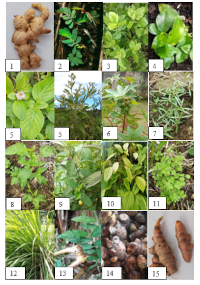
The use of medicinal plants for postpartum is a cultural practice carried out by people in Indonesia, especially in Pasti Jaya Village, Samalantan District, Bengkayang Regency. This research aims to reveal traditional treatment for postpartum carried out by the Dayak tribe in Pasti Jaya Village, Samalantan District, Bengkayang Regency. The research method used is a qualitative method. Data collection techniques were carried out using interviews, observation and documentation. From the research results, it was found that 16 species of plants were used by the Dayak tribe in Pasti Jaya Village for postpartum, namely ahiak (Zingiber officinale Rosc.), antidur (Phyllanthus urinaria L), beluntas (Pluchea indica (L.) Less.), cakur (Kaempferia galanga L.), kakompo (Limnophila rugosa (Roth) Merr.), kayu mabo (Blumea balsamifera (L.) DC.), korongan (Ricinnus comunis L.), lalepet (Oldenlandia herbacea (L.) Roxb.), marampayo (Croton hirtus L´Hér.), penyapu (Sida rhombifolia L.), sahang (Piper nigrum L.), sarat seribu (Lygodium microphyllum (Cav) R.Br.), sare (Cymbopogon citratus (DC.) Stapf.), saring kuyang (Zingiber cassumar Roxb.), tamulawak (Curcuma xanthorrhiza Roxb.), and unyit (Curcuma domestica Val.). The most widely used plant family is Zingiberaceae. The most widely used part of the plant is the leaves. The most common method of processing and use is by boiling and drinking.
Downloads
Article Details
Section

This work is licensed under a Creative Commons Attribution-NonCommercial-NoDerivatives 4.0 International License.
How to Cite
References
1.Noviantina E., Linda R, Wardoyo ERP. Ethnobotanical Study of Natural Cosmetic Plants of the Dayak Kanayatn Tribe, Sebatih Village, Sengah Temila District, Landak Regency. J. Protobiont. 2018; 7(1): 61-68.
2.Barella Y, Aminuyati, Saputri M, Risti O, Wahyuni Y, Ayu N, Siska. Tradition of the Dayak Kanayatn Tribe in the Birth and Death Procession on the Ambawang River, West Kalimantan. Enggang: J. Pendidik. Bhs. Sastra, Seni, Budaya.2023; 3(2): 451-561.
3.Hartanto CK, Darmawan DR., Manalu CR., Lenny A. Traditional Musical Instruments in Modern Times (Sape’ Dayak Kayaan in Cultural Values Studies). Gondang: J. Seni, Budaya 2021; 5(2): 182-192.
4.Riadi R, Oramahi HA, Yusro F. Utilization of Medicinal Plants by the Kanayatn Dayak Tribe in Mamek Village, Menyuke District, Landak Regency. J. Hutan Lestari. 2019; 7(2): 905-915.
5.Panjaitan, RG, Titin,Yuliana, YGS. Ethno-Medicinal Plants Used for Medication of Jaundice by The Chinese, Dayak, and Malays Ethnic in West Kalimantan, Indonesia. J.Phcog. 2021; 13(4): 916-913.
6.Yulia. The Urgency of Protecting Traditional Knowledge of Medicines as Communal Intellectual Property of The Aceh Community. J. Geuthèë: Multidicip. Res. 2023; 6(2): 166-174.
7.Latif, WTSA, Hertianty, EP, Mardiyanti S, Kartawinata, TG, Helmi, Kurniawan A. Overview of Knowledge and Factors Influencing the Community in Using Traditional Medicine in Tinangkung District, Banggai Islands Regency, Central Sulawesi. J. Farm. Farmakoinf. 2023; 1(2): 139-152.
8.Sitepu N, Erlindawati. Identification of Types of Family Medicinal Plants (Toga) in Sicincin Hilir Subdistrict, East Payakumbuh, Payakumbuh City. J. Edukasi. 2023; 3(1):87-99.
9.Larassati A, Marmaini, Kartika T. Inventory of Medicinal Plants in Yards in Sentosa Subdistrict. J. Indobiosains. 2019;1(2):76-87.
10.Apel AJ, Adina, P, Adwin NI, Anggraini F, Riyanti S, Rahmawati, Hidayah N, Putri, Saati, Fariansah, Fifi, Nursani, Nurwahidah, Azmin N. Inventory of Traditional Medicinal Plants as Local Wisdom of the Community in the Waterfall Tourism Area of Bima Regency Inventory of Traditional Medicinal Plants as Local Wisdom of the Community in the Waterfall Tourism Area of Bima Regency. J. Sains.Terap. 2023; 2(1):15-24.
11.Jamuan R, Hendra, M, Hariani N. Diversity of Medicinal Plants in the Manggarai Tribe, Ndoso District, West Manggarai Regency, East Nusa Tenggara (NTT). J. Pendidik. Mat. IPA.2020; 11(2): 285-299.
12.Noena RAN, Base NH, Rahayu S. Inventory of Traditional Medicinal Plants and Herbs of the Barembeng Village Community, Bontonompo District, Gowa Regency. J. Kes. Yamasi Makassar. 2021; 5(1):71-78.
13.Nomleni FT, Daud Y, & Tae F. Ethnobotany of traditional medicinal plants in Huilelot Village and Uiasa Village, Semau District, Kupang Regency.J. Pendik. Bio. 2021; 6(1): 60-73.
14.Jannah M, Latifah N. Literature Review: Factors Influencing Psychological Adaptation (Postpartum Blues) During the Postpartum Period (Puerperium). J. Ilmu Teknol. Kes. Bhamada. 2022; 13(1): 64-68.
15.Hasanatuluudhhiyah N, Indiastuti DN, Setiawati Y, Fatimah N. Postpartum Mother Care Movement Through the Use of Traditional Herbs for Postpartum Mothers' Health. J. Lay. Mas. 2023;7(2): 161-172.
16.Mariani Y, Wardenaar E, Yusro F. Medicinal Plants in Tanap Village, Sanggau Regency and Their Use for Postpartum Care of Babies and Women. J. Biosains. 2021; 7(2): 92-102.
17.Agata F, Arbiastutie Y, Wardenaar E. Utilization of Medicinal Plants for Postpartum Mothers in Sekonau Village, Sekadau Hulu District, Sekadau Regency. J. Lingk. Hutan Trop. 2022; 1(4):117-1185.
18.Dilak HI, Eryah HP, Waton Y. Identification of Postpartum Medicinal Plants in Bukit Seburi 1 Village, West Adonara District, East Flores Regency. Flobamora Biol. J. 2023; 2(1):1-7.
19.Hasriani, Andarias AH, Slamet, A. Utilization of plants in postpartum maternal care in Watulea Village, Central Buton Regency. J. Biol. Trop. 2023; 23(3): 136-142.
20.Jafar J, Dollong AF. Medicinal Wild Plants in the Highlands of Enrekang Regency. Galung Trop. J. 2018; 7(3):198-203.
21.Pradita S, MarianiY, Wardenaar E, & Yusro F. Utilization of Medicinal Plants by the Dayak Paus and Melayu Tribes for Postpartum Maternal and Child Care in Pengadang Village, Sanggau Regency, West Kalimantan. Biodidakta. 2021; 16(1): 93-110.
22.Marpaung, DRAK. Medicinal Plants and Local Wisdom of the Community Around the TNBG Area, Sibanggor Julu Village, Mandailing Natal Regency. J. Biosains. 2018; 4(2):85-91.
23.Riconadi, Arbiastutic Y, Mariani Y, Sisillia L, Yusro F. Study of the Utilization of Medicinal Plants as Tonics by Traditional Healers in Karya Bakti Village, Sungai Betung District, Bengkayang Regency. J. Hutan Lest. 2020; 8(3):640-652.
24.Rania, Yusro F, Wardenaar E, & Mariani Y. Study of the Utilization of Medicinal Plants by Traditional Healers to Overcome Women's Problems in Masbangun Village, Teluk Batang District, Kayong Utara Regency. J. Borneo Akc. 2019; 5(2): 84-94.
25.Widhiantara IG, Jawi IM. Phytochemical Composition and Healtr Properties of Sembung Plant (Blumea balsamifera): a review.Vet. World. 2021; 14(5): 1185-1196.
26.Ifandi S, Sulistiyaningsih Y. Ethnopharmacognosy of Medicinal Plants of the Kaili Tribe in Tompu Hamlet, Central Sulawesi. J. Pharmaqueous. 2022; 4(2): 17-24.
27.Wijaya S, Setiawan HK, Ano LAL. Specific and Non-Specific Standardization of Ethanol Extract of Beluntas Leaves (Pluchea indica L. Less.). J. Pharm. Sci. Pract. 2017; 4(1): 44-49.
28.Fitriansyah M. I. & Indradi R.B. Review: Phytochemical Profile and Pharmacological Activity of Baluntas (Pluchea indica L.). Farmaka. 2018; 16(2): 337-346.
29.Wiendarlina IY, Indriati D, Rosa M. Antibacterial Activity of Anti-Acne Lotion Containing Beluntas Leaf Extract (Pluchea indica (L) Less.). Fitofarmaka. 2019; 9(1): 16-25.
30.Anugrah D, Nasution Y. Inventory of Plants as Traditional Medicine in West Cikarang District. J. Pharm. Sci. Pract. Biol. 2022; 8(1): 141-156.
31.Bhavana R, Rajan R,Thomas B. Comparative Studies on Morphology, Anatomy and Phytochemistry of Selected Species of Croton L. (Euphorbiaceae). Plant Archives. 2020; 20(1): 639-659.
32.Acqua SD, Sinan KI, Sut S, Ferrarese I, Etienne OK, Mahomoodally MF, Lobine D, Zengin G. Evaluation of Antioxidant and Enzyme Inhibition Properties of Croton Hirtus L’Hér. Extracts Obtained with Different Solvents. Molecules. 2021; 2(6): 1902.
33.Kim M. J, Kim J. G, Sydara KM., Lee SW, Jung SK. Croton hirtus L'Hér Extract Prevents Inflammation in RAW264.7 Macrophages Via Inhibition of NF-κB Signaling Pathway. J Microbiol Biotechnol. 2020; 30(4): 490-496.
34.Alkawi, Rondonouwu SB, Kandou FEF. Inventory of Medicinal Plants and Their Traditional Use by the Community in Amesiu Village, Konawe Regency, Southeast Sulawesi. Pharmacon. 2021; 10(2): 790-797.
35.Chouhan HS, Swarnakar G, Jogpal. Medicinal Properties af Ricinus communis: a Review. Int.J.Pharm.Sci.Res. 2021; 12(7): 3632-3642.
36.Kastanja KY,Patty Z. The Potential of Traditional Medicinal Plants and Their Utilization in the Galela Community, North Halmahera (Case Study in Soatobaru Village, West Galela District). J Agribis Perikan. 2022; 15(1): 157-164.
37.Teoh WY, Yong YS., Razali FN, Stephenie S, Shah DM, Tan JK, Gnanaraj C, Esa MN. LC-MS/MS and GC-MS Analysis for The Identification of Bioactive Metabolites Responsible for The Antioxidant and Antibacterial Activities of Lygodium microphyllum (Cav.) R. Br. Separations. 2023; 10(3): 1-12.
38.Alam MM, Emon NU, Alam S, Rudra S, Akhter N, Mamun MMR, Ganguly A. Assessment of pharmacological activities of Lygodium microphyllum Cav. Leaves in The Management of Pain, Inflammation, Pyrexia, Diarrhea, and Helminths: In vivo, In Vitro and In Silico Approaches. Biomed.Pharmacother. 2021; 139: 1-13.
39.Sarkar BK, Monia TJ, Sahid MI, Barman SK, Nessa B. Phytochemical Screening and Hypoglycemic Activity Assessment of Sida rhombifolia L. Leaf Extract: an In Vitro Study. Jagannath Univ. J. Life Earth Sci. 2022; 7(2): 125-132.
40.Rohman A, Ikhtiarini AN, Setyaningsih W, Rafi M., Aminah NS, Insanu M, Irnawati, Windarsih A. Sida rhombifolia Linn: Phytochemicals Composition and Biological Activities. Int. J. Pharm. Res. 2020; 12(9): 2950-1958.
41.Geethangili, M, Ding, SH. A Review of The Phytochemistry and Pharmacology of Phyllanthus urinaria L. Frontiers in Pharmacology. 2018; 9(1): 1-20.
42.Abirami K, Murugesan K, Mathanmohun M. Phytochemical Screening and Antibacterial Potential of Piper Nigrum Seed Extract Against the Bacterial Pathogens. J. Agric. Sci. Int. J. 2021; 12(6): 2029-2033.
43.Ashokkumar K, Murugan M, Dhanya, MK, Pandian A, Warkentin TD. Phytochemistry and Therapeutic Potential of Black Pepper [Piper nigrum (L.)] Essential Oil and Piperine: A review. Clinical Phytoscience. 2021; 7(1): 1-11.
44.Guo Z, Xu J, Xia J, Wu Z, Lei J,Yu J. Anti-Inflammatory and Antitumour Activity of Various Extracts and Compounds From The Fruits of Piper longum L. J. Pharm. Pharmacol. 2019; 71(7):1162–1171.
45.Phong HX, Viet NT, Quyen NTN., Thinh OV., Trung NM, Ngan TTK. Phytochemical Screening, Total Phenolic, Flavonoid Contents, and Antioxidant Activities of Four Spices Commonly Used In Vietnamese Traditional Medicine. Mater Today: Proc. 2022; 56(3): 1-5.
46.Hota R, Bikash KN., Biswaranjan B, Manoj KD. Ethno-botanical and Phytopharmacological Study of Limnophila rugosa Roth. Merr. (Scrophulariaceae): mini review. Curr. Tradit. Med. 2023; 9(5): 137-149.
47.Unuigbe C, Enahoro J, Okeri H. Phytochemical Analysis and Antioxidant Evaluation of Lemon Grass (Cymbopogon citratus DC.) Stapf leaves. J. Appl. Sci. Environ. Manag. 2019; 23(2): 223–228.
48.Oladeji OS, Adelowo FE, Ayodele DT, & Odelad KA. Phytochemistry and Pharmacological Activities of Cymbopogon citratus: a Review. Scientific Afr. 2019; 6(1): 1-12.
49.Danlami U, Danhalilu RL. Antibacterial, Proximate and Antioxidant Studies of Oldenlandia herbacea extract. J. Pharm. Biol. Sci. 2015; 3(2): 61-64.
50.Minh TD, Ha TN, Duy TN, Hoang NN, PhamTien D, Thai HP, Thi HN, Lan PDT, Quoc BP, Ivkin DY, Povydysh MN, Cong BN, Krasnova MV. Linh Phu Khang Tue Tinh Inhibited Prostate Proliferation in Rats Induced Benign Prostatic Hyperplasia by Testosterone Propionate. J. Ethnopharmacol. 2021; 279: 114388.
51.Prabowo H, Cahya IAOD., Arisanti CIS, Samirana PO. Specific and Non-Specific Standardization of Simplex and 96% Ethanol Extract of Turmeric Rhizome (Curcuma domestica Val.). J. Farm. Udayana. 2019; 8(1): 29-35.
52.Iweala EJ, Uche ME, Dike M, Etumnu LR., Dokunmu TM, Oluwapelumi AE, Okoro BC, Dania OE, Adebayo AH, Ugbogu EA. Curcuma longa (Turmeric): Ethnomedicinal uses, Phytochemistry, Pharmacological Activities and Toxicity Profiles—A Review. Pharmacol. Res. - Mod. Chin. Med. 2023; 6: 1-21.
53.Kustina E, Zulharmita, Misfadhila S. Traditional uses, phytochemistry and pharmacology of Curcuma xanthorriza Roxb.: a review. Int. J. Sci. Healthc. Res. 2020; 5(3): 494-500.
54.Sari K, Indrawati T, &. Haryanto DC. Quality Profile of Extract and Formulation of Galangal Extract Ointment Preparation. Binawan Stud. J. 2022; 4(1): 1-3.
55.Khairullah AR, Solikhah TI, Ansori ANM, Hanisia RH, Puspitarani GA, FadhollyA, Ramandinianto, SC. Medicinal Importance of Kaempferia galanga L. (Zingiberaceae): A Comprehensive Review. J. Herbmed Pharmacol. 2021; 10(3), 281-288.
56.Singh CB, Manglembi N,Chanu SB. Ethnobotany, Phytochemistry and Pharmacology of Zingiber cassumunar Roxb. (Zingiberaceae). J. Pharmacogn. Phytochem. 2015; 4(1): 1-6.
57.Han AR, Kim H, Piao D, Jung CH, Seo EK. Phytochemicals and Bioactivities of Zingiber cassumunar Roxb. Molecules. 2021; 26(8): 1-16.
58.Ajagun E, Angalapele J, Nwaiwu P, Alabi M, Oladimeji-Salami J, AmbaU. Phytochemical Screening and Effects of Temperature on Proximate Analysis and Mineral Composition of Zingiber officinale Rosc. Biotechnol. J. Int. 2017; 18(3): 1-7.
59.Sari D, Nasuha A. Nutritional Content, Phytochemicals, and Pharmacological Activities of Ginger (Zingiber officinale Rosc.).Trop. Biosci.: J. Biol. Sci. 2021; 1(2): 11-18.
60.Mahboubi M. Zingiber officinale Rosc. Essential Oil, A Review On Its Composition
and Bioactivity. Clin. Phytosci. 2019; 5(6): 1-12.